

Why Creativity Only Matters When It Is Controlled
Board never wanted to move like everyone else.
Straight lines felt limiting.
Perfect symmetry felt boring.
Risk felt necessary.
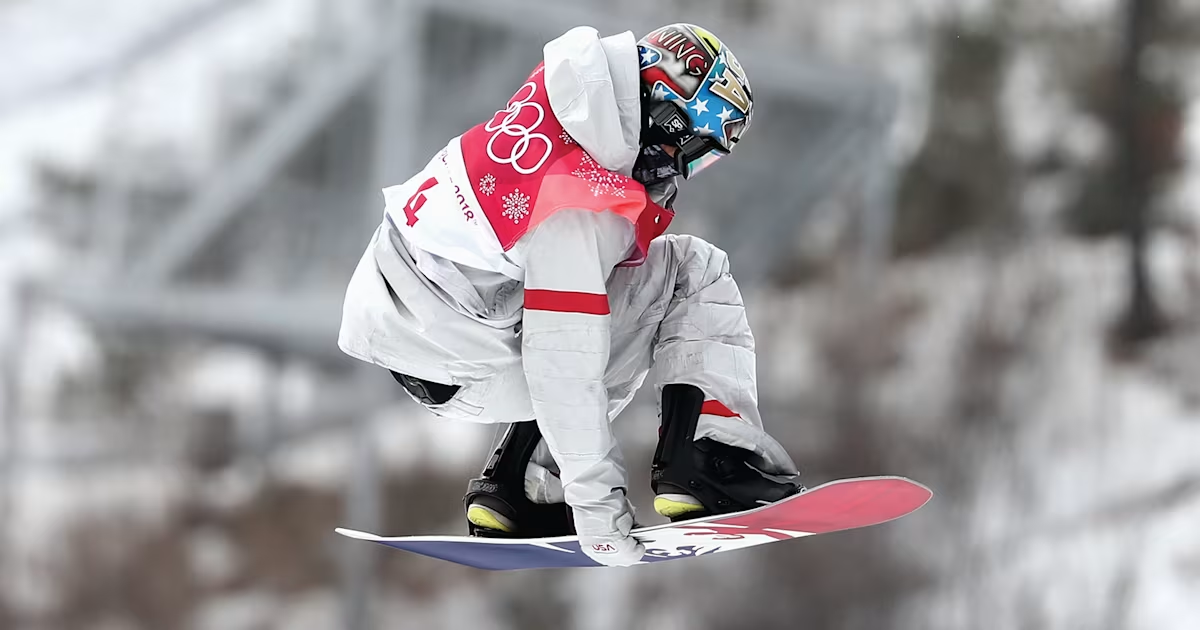
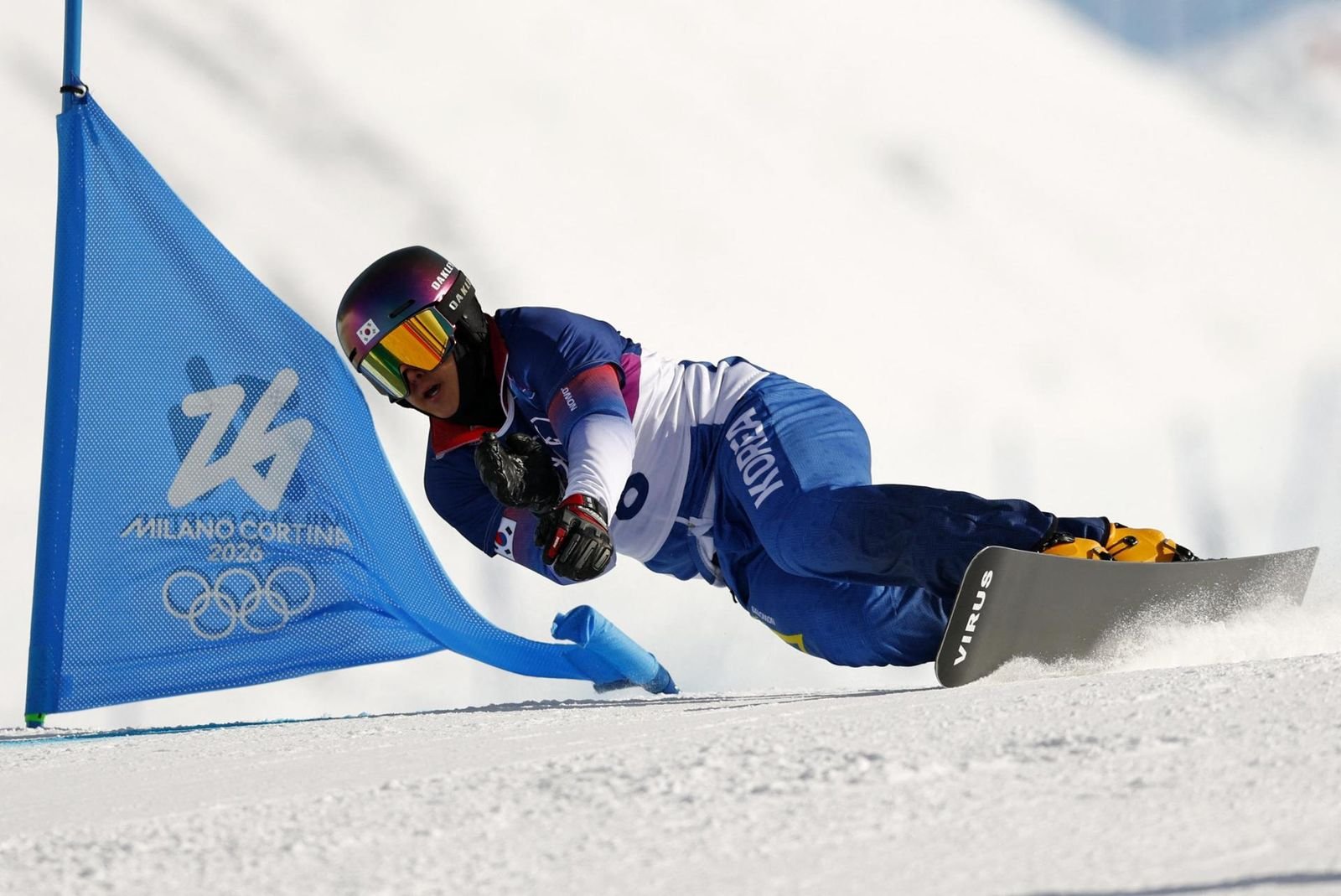
Snowboarding and freestyle skiing welcomed that instinct. But they also taught Board something important very quickly.
Creativity without control does not score.
That is why these sports are some of the most misunderstood events in the Olympic Winter Games.
What Snowboarding and Freestyle Skiing Actually Are
Both snowboarding and freestyle skiing are judged winter sports. Athletes perform tricks, jumps, and combinations on courses designed to test height, difficulty, execution, and flow.
Unlike timed events, there is no clock deciding the winner. Judges evaluate what they see.
That makes these sports feel subjective to beginners. They are not.
They are structured. They are measured. And they are unforgiving.
The Main Freestyle Disciplines You See at the Olympics
These sports appear in several formats, each testing creativity differently.
Halfpipe
Athletes ride back and forth between towering walls, launching into the air and performing tricks. Height, difficulty, and clean landings matter most.
Slopestyle
A course filled with rails, jumps, and features. Athletes link tricks together, and consistency across the entire run is critical.
Big Air
One massive jump. Fewer tricks, higher stakes. Mistakes here end medal chances instantly.
Aerials and Moguls
Primarily freestyle skiing events where precision, body control, and landing quality outweigh style alone.
The board learned that no matter the discipline, one thing stayed constant. You only get rewarded for what you land.
How Judging Really Works
Here is where most viewers get lost.
Judges are not asking, “Was that cool?”
They are asking:
How difficult was the trick
How clean was the execution
How well was it landed
How smoothly was the run connected
How much risk was attempted successfully
Falling removes most of the score. Over-rotating ruins execution points. Playing it safe lowers difficulty.
The board learned that the winning run sits at the edge of what is possible, not beyond it.
Why These Sports Look Reckless but Are Not
Snowboarding and freestyle skiing appear wild because athletes push limits on purpose.
What you do not see is the repetition.
Tricks are practiced thousands of times. Falls are studied. Runs are planned down to exact approach speeds and takeoff angles.
Risk is calculated.
Board stopped chasing applause when he realized that judges reward discipline disguised as freedom.
How to Watch These Sports With Understanding
Next time you watch freestyle events at the Winter Olympics, change how you look at the run.
Do not focus only on the biggest trick.
Watch how clean the landings are.
Notice whether the athlete keeps momentum through the entire course.
The loudest crowd reaction is not always the best score.
The best runs look confident, not desperate.
Why Snowboarding and Freestyle Skiing Matter Today
These sports speak directly to modern athletes.
They value individuality.
They reward innovation.
They punish shortcuts.
They prove that creativity thrives best inside structure.
The board learned that freedom does not mean ignoring rules. It means mastering them well enough to bend them without breaking.
That lesson travels far beyond snow.
Where the Journey Goes Next
We have explored speed, force, patience, chaos, and creativity.
Now it is time to bring everything together.
In the next post, we step back and look at how winter sports fit into today’s world, why they are growing, and why the Winter Olympics still matter more than ever.
That post becomes the bridge between learning and watching.