


Why Preparation Is the Only Thing Between Control and Chaos
Bob never trusted speed that came without structure.
Mountains made sense. Ice ovals had rhythm.
But sliding headfirst down an ice tunnel at highway speed felt different.
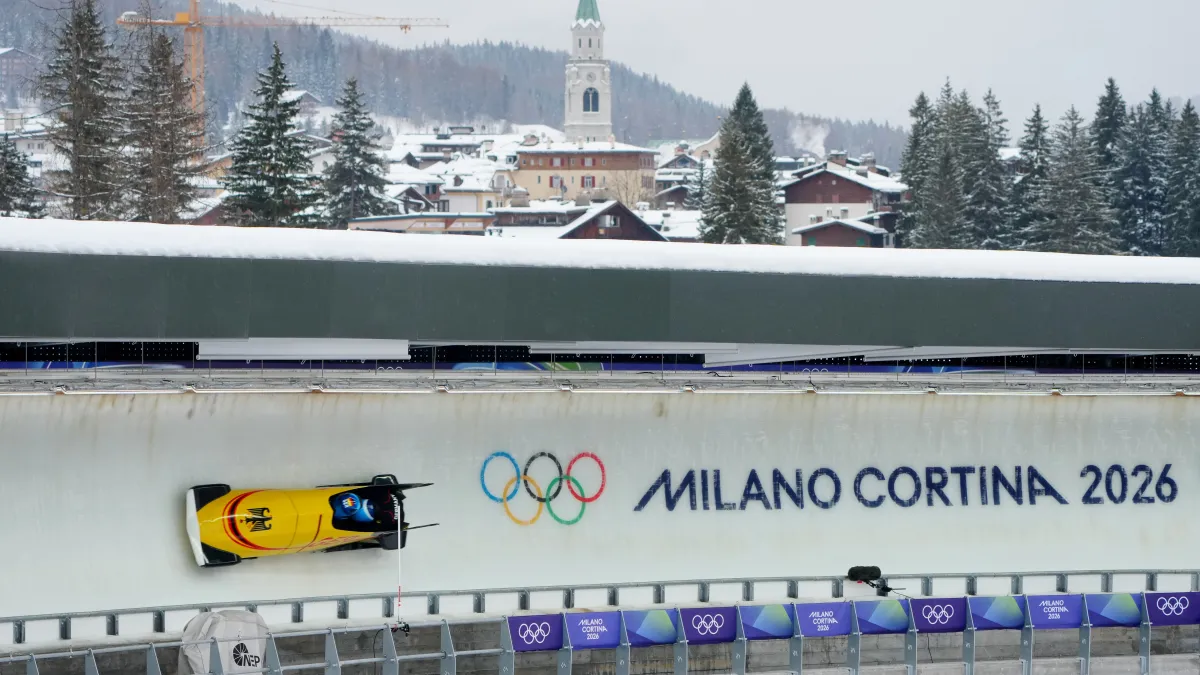
Bobsleigh and skeleton are the sports that silence rooms. When they appear at the Olympic Winter Games, even casual viewers lean forward. Everyone understands instinctively that this can go wrong fast.
Bob understood something else just as quickly.
These sports are not about bravery.
They are about preparation.
What Bobsleigh and Skeleton Actually Are
Both sports involve athletes racing down a frozen track filled with steep drops, tight curves, and crushing gravitational forces.
Bobsleigh
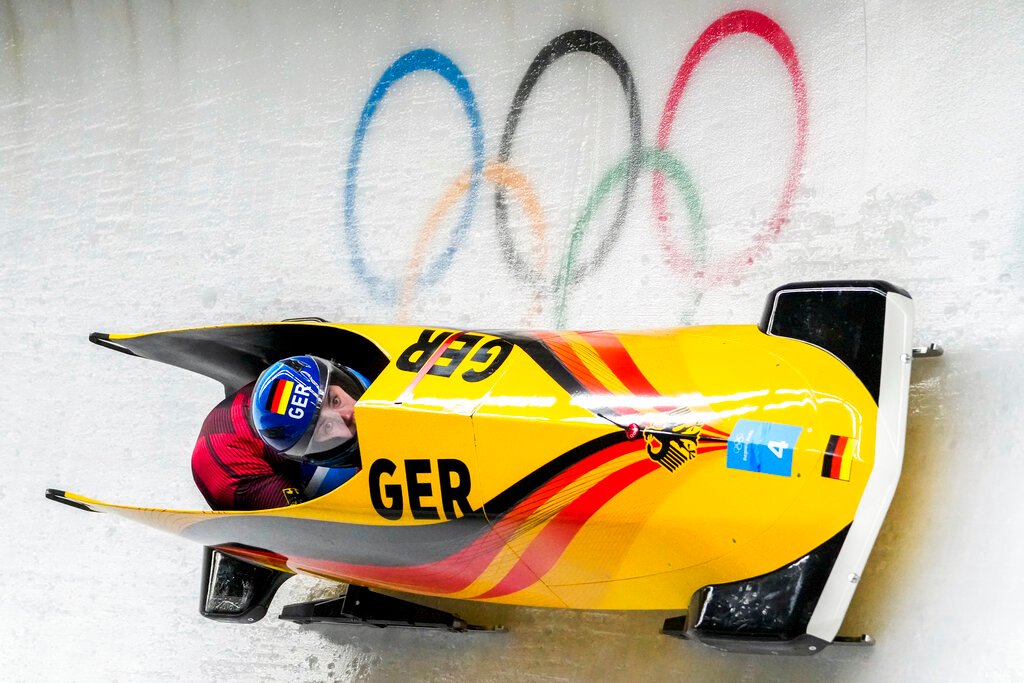
Teams of two or four athletes push a sled at the start, jump in, and race against the clock. One athlete steers. The others stabilize and generate speed during the push phase.
Skeleton
A single athlete races headfirst on a small sled, steering with subtle shifts of shoulders and knees. There is no cockpit. No protection. Just body, ice, and trust.
In both sports, athletes experience forces that can exceed five times their body weight. Vision blurs. Breathing tightens. Decisions must happen before fear has time to speak.
Why These Sports Look Reckless but Are Not
From the outside, bobsleigh and skeleton look like controlled crashes.
From the inside, they are rehearsed systems.
Every track is studied months in advance.
Every corner is memorized.
Every vibration means something.
Bob learned that confidence in these sports comes from knowing exactly what will happen and what to do when it does not.
Athletes walk tracks before races. They visualize runs repeatedly. They tune sleds to temperature, ice condition, and weight distribution.
Nothing is left to improvisation.
The Start Matters More Than People Realize
Most viewers focus on the ride.
Bob focused on the start.
In bobsleigh, the push phase can decide the entire run. A tenth of a second gained at the start carries through the entire track. Poor synchronization costs more than risky driving ever could.
This is where teamwork shows its teeth.
No single athlete wins a bobsleigh medal alone. Strength, timing, and trust must align perfectly for those first few seconds.
Skeleton does not have teammates, but it has its own version of the start. A clean, controlled sprint into the dive determines sled stability for the entire run.
One bad entry ruins everything that follows.
The Mental Load No One Talks About
Bobsleigh and skeleton demand a specific kind of calm.
You cannot tense up at speed.
You cannot hesitate mid corner.
You cannot panic when the sled vibrates.
Bob struggled with this early. His instinct was to react to every jolt. Over time, he learned to distinguish noise from danger.
Elite sliders do not feel less fear.
They manage it better.
That skill transfers far beyond the track.
How to Watch These Sports With Understanding
When watching bobsleigh or skeleton, do not just wait for crashes.
Watch how smooth the sled enters corners.
Notice how little steering input the best drivers use.
Pay attention to start times and push synchronization.
The cleanest runs often look uneventful. That is not boring. That is mastery.
Why Bobsleigh and Skeleton Still Matter
These sports expose a truth many people avoid.
You cannot eliminate risk.
You can only prepare for it.
In bobsleigh and skeleton, preparation is not optional. It is survival. That honesty is why these sports remain central to the Winter Olympics.
Bob stopped fearing the track when he stopped trying to control everything. He focused on controlling what could be controlled.
The rest took care of itself.
Where the Journey Goes Next
We have covered mountains, ice ovals, and frozen tunnels.
Now it is time to slow everything down.
In the next post, Stone steps in to explain curling. A sport that looks calm, feels quiet, and demands more thinking than most people expect.
Once you understand it, you will never call it boring again.