



There’s a reason so many parents are rethinking screen time. Not every game is empty entertainment, and some of the best ones do more than keep kids busy for a few minutes. An ice skiing game can look simple on the surface, but it often gives kids a place to practice focus, patience, quick decision‑making, and even emotional control without feeling like a lesson. That matters because children rarely learn these skills all at once. They build them in small moments, through repetition, curiosity, and a little bit of fun.
This is also why The Aniletes fits so naturally into the conversation. Its winter‑sports storytelling turns athletic ideas into characters and experiences that feel personal, playful, and memorable.
For families exploring the world of winter sports, even something as specific as the ski collection can help connect the screen‑based game to real‑life inspiration.
What an ice skiing game really teaches
An ice skiing game teaches far more than how to “win” a level. It asks kids to make decisions quickly, judge distance, and respond to changing conditions almost instantly. That kind of fast thinking strengthens attention and helps children learn how to process information under pressure. It may look like simple play, but underneath, the brain is doing a lot of work.
Here’s what kids are quietly building while playing:
- Fast decision‑making, weighing options in a split second.
- Better focus, keeping attention on a moving environment.
- Stronger patience, learning that progress takes multiple tries.
- More confidence, realizing they can improve with practice.
Building focus and reaction speed
One of the quiet benefits of an ice skiing game is how it pulls a child’s attention into the moment. The slope moves fast, the hazards change quickly, and the child has to stay alert. That focus can be surprisingly valuable because it trains kids to pay attention to what is happening right now instead of drifting away mentally.
Teaching resilience and emotional regulation
Games are emotional, and that’s part of why they teach so much. A child may feel excited when they’re doing well and frustrated when they fail. That emotional swing creates a safe space to practice resilience. When a game says “try again,” it gives kids a chance to sit with disappointment and then move past it.
Connecting play to real‑world winter sports
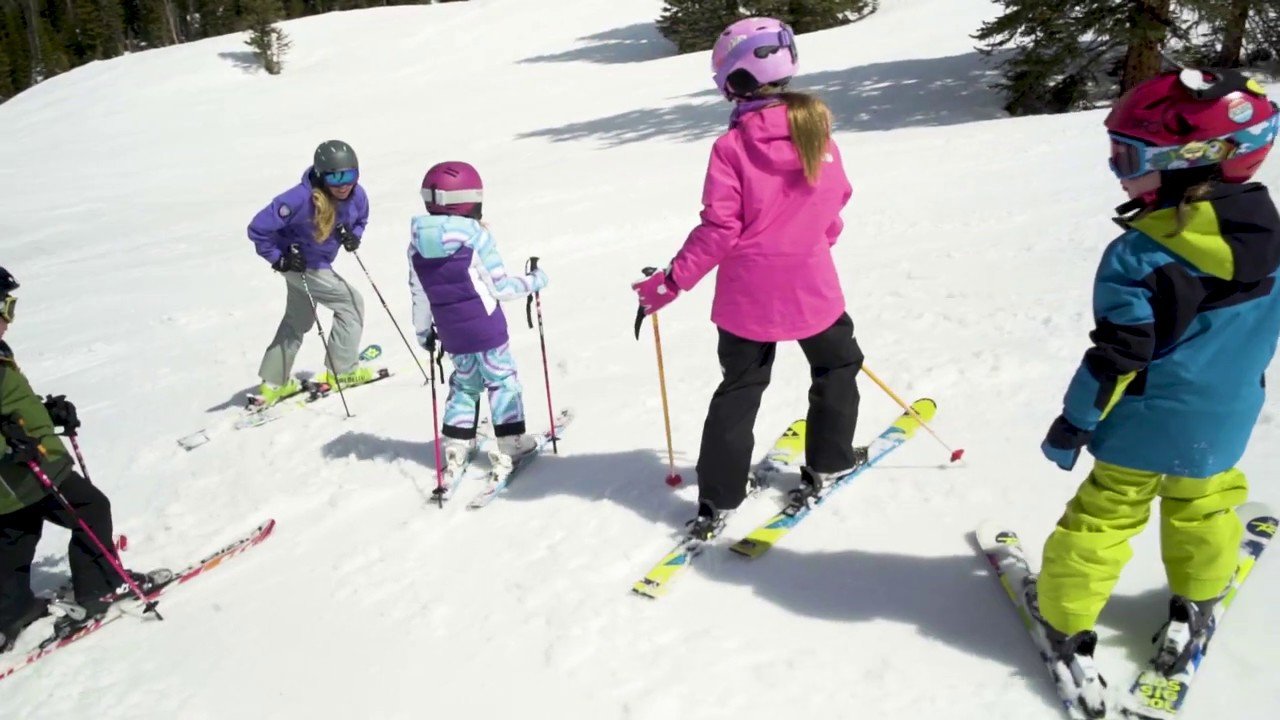
An ice skiing game can also open the door to a bigger world. A child who enjoys sliding, turning, and racing on a screen may start asking questions about real skiing, snow conditions, and how athletes train. That curiosity is valuable because it turns entertainment into exploration. It gives parents an easy way to talk about winter sports in a way that feels natural.
How gameplay skills turn into real‑life strengths
The skills kids build in an ice skiing game often show up in everyday moments. Here’s how the two connect:
| Gameplay skill | Real‑life benefit |
| Fast decision‑making | Better thinking under pressure |
| Repeating levels | More patience and persistence |
| Avoiding obstacles | Improved focus and awareness of surroundings |
| Trying again after a crash | Stronger resilience and emotional control |
How kids learn teamwork and strategic thinking
Even if a child plays alone, an ice skiing game can still teach teamwork in indirect ways. Kids may compare scores with friends, share tips, or talk about different ways to get through a level. That kind of exchange encourages communication and collaboration. It also teaches them that there are often multiple ways to solve the same problem.
Balancing screen time with active learning
A good ice skiing game should never replace physical activity, but it can complement it. The goal is balance. Screenplay can spark curiosity, while movement and outdoor time help children use their bodies in real space. When the two are paired well, kids get both mental stimulation and physical development.
Parents can support this balance with a few simple habits:
- Keep game sessions short and planned, not endless.
- Talk with kids about what they noticed in the game.
- Connect the game to real sports: watching clips, visiting a rink, or trying winter‑sports stories.
- Follow screen time with at least a few minutes of movement, play, or imagination.
Why winter storytelling matters
Stories give children a way to remember what they learn. When winter sports are presented through characters, they become easier to understand and more fun to follow. A child may not remember a technical explanation, but they will remember a character who keeps trying after a fall or learns to stay calm on the mountain. That emotional connection is what makes learning stick.
FAQs
Is ice skiing an educational activity for kids?
Yes. It can help build focus, reaction speed, patience, and problem‑solving skills. It also gives kids a safe way to practice trying again after failure.
Can an ice skiing game help kids understand real skiing?
It can spark interest and make skiing feel more familiar. While it does not replace real practice, it can help children understand movement, balance, and timing thoroughly.
Does this kind of game help with emotional growth?
Yes. Kids often feel frustrated when they crash or lose, and learning to handle that feeling is part of emotional growth. The game gives them a chance to practice staying calm and retrying.
How should parents use an ice skiing game at home?
Use it as a starting point for conversation. Ask what the child noticed, what they found hard, and what they might change next time.
What makes winter sports stories valuable for kids?
They make effort and resilience easier to understand. When children see those qualities in characters and athletes, they are more likely to connect with them personally.
Let’s play shape stronger habits
An ice skiing game may seem like a small thing, but it can have a surprisingly big influence. It teaches children to pay attention, think quickly, handle frustration, and keep going after mistakes. Those are not just gaming skills. They are life skills. And when those skills are tied to winter sports stories, they become even more meaningful because kids can picture them in action.
If you want to explore winter sports storytelling in a way that feels creative, warm, and kid‑friendly, visit The Aniletes and take a closer look at the ski collection. If you’re ready to keep the conversation going or want to get in touch, reach out through the Contact Us page and start the next chapter from there.