


Why the Fastest Team Sport Works Only Because of Structure
Puck loved movement.
Fast movement.
Unpredictable movement.
Movement that forced decisions before comfort showed up.
Ice hockey felt like home the moment the puck dropped. Not because it was wild, but because it only looked wild from the outside.
Inside the rink, everything had rules.
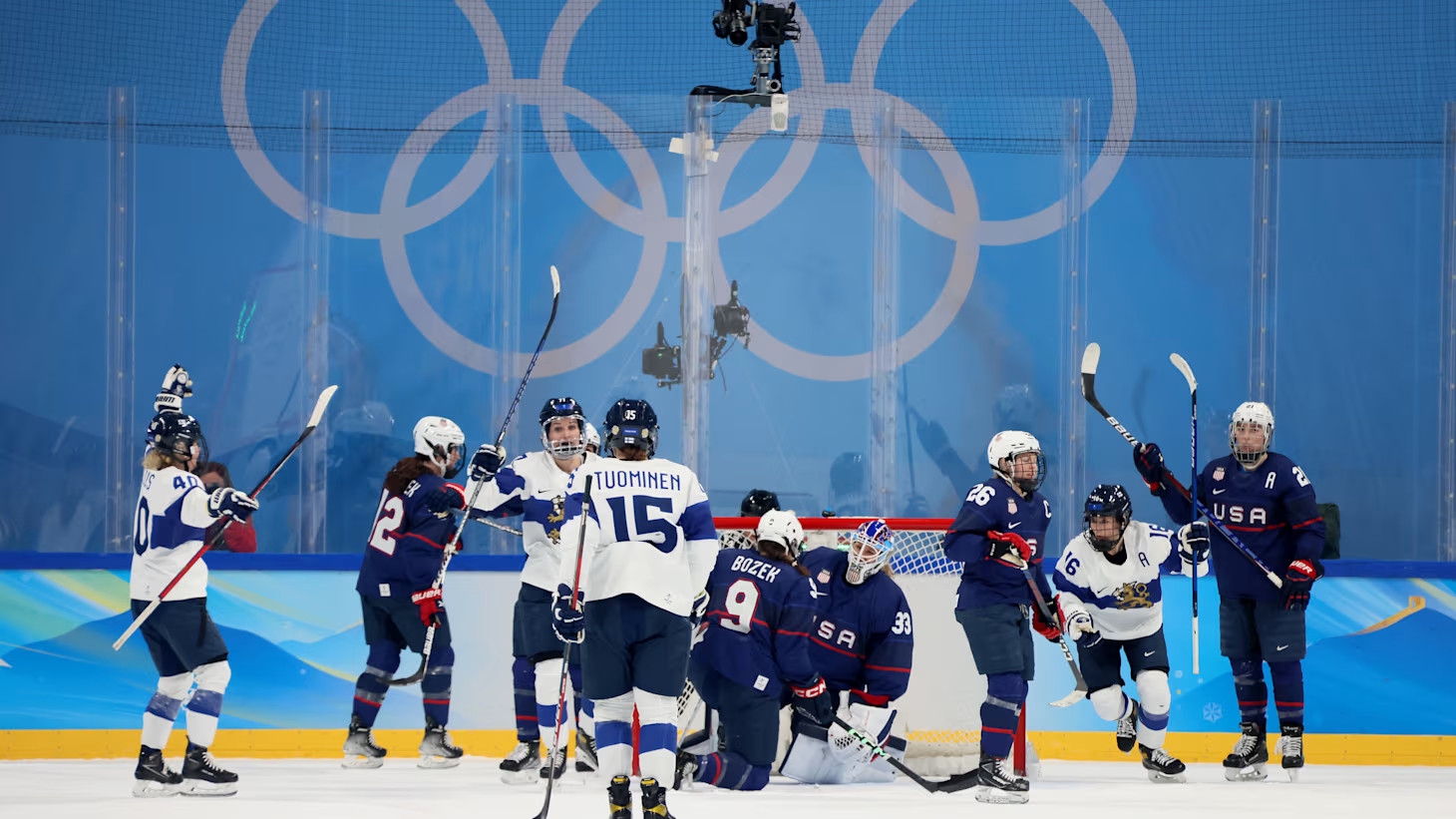
This is why ice hockey remains one of the most-watched events at the Olympic Winter Games.
What Ice Hockey Actually Is
Ice hockey is a team sport played on ice where two teams try to score by sending a puck into the opponent’s goal. Each team has six players on the ice at a time, including a goalie.
The surface is small. The puck moves fast. Space disappears instantly.
What separates good teams from great ones is how they create order in that chaos.
Why Hockey Looks Chaotic but Is Not
To new viewers, ice hockey looks like nonstop chasing.
It is not.
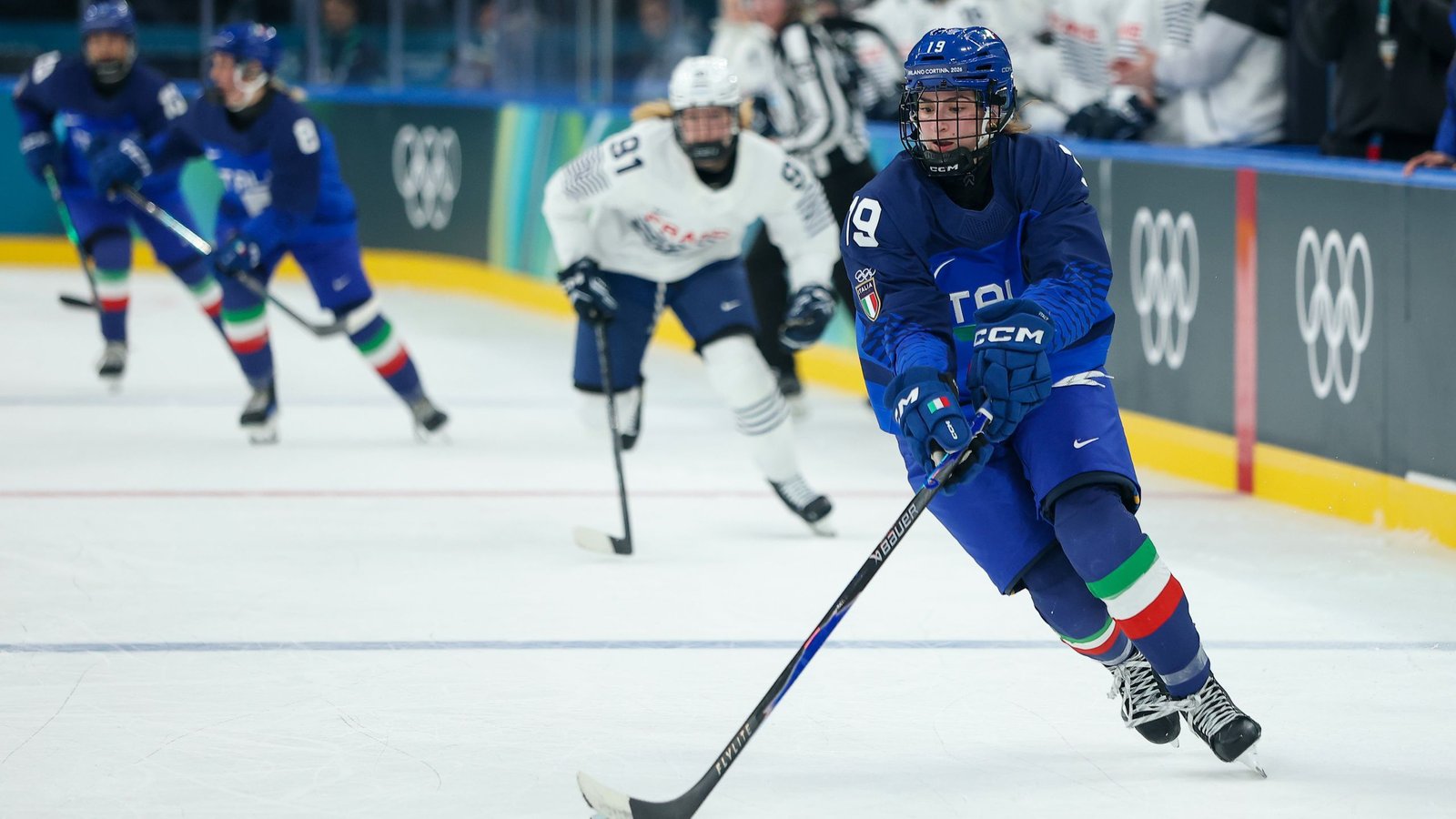
Hockey is a game of spacing and timing.
Players move the puck to move defenders.
They cycle along the boards to create openings.
They change lines constantly to maintain energy and pace.
Puck learned quickly that skating fast without purpose only burns you out. Smart teams skate to be available, not just to move.
The Roles That Make Hockey Work
Every player on the ice has a specific responsibility.
Forwards
They pressure defenders, create scoring chances, and attack space.
Defensemen
They control gaps, protect the middle, and start transitions.
The Goalie
They are the last line of defense and the first line of confidence.
Hockey only works when everyone understands their role. One player chasing glory usually breaks the system.
Puck learned this the hard way.
Special Teams Change Everything
One of the biggest learning moments for Puck came during special situations.
Power Plays
When one team has more players on the ice due to a penalty.
Penalty Kills
When a team must defend while short-handed.
These moments are chess at full speed.
Power plays rely on patience, puck movement, and shooting lanes.
Penalty kills rely on positioning, pressure, and sacrifice.
Many Olympic games swing entirely on these moments.
Why Decision Making Matters More Than Strength
Ice hockey rewards quick thinking more than brute force.
Players must decide where to pass before receiving the puck.
Defenders must angle attackers instead of chasing them.
Goalies must read plays seconds ahead of shots.
Puck realized that hockey punishes hesitation more than mistakes. A wrong decision made early is often better than a perfect decision made late.
How to Watch Hockey With Understanding
Next time you watch Olympic ice hockey, stop following the puck for a moment.
Watch how players without the puck move.
Notice how teams enter the offensive zone.
Pay attention to line changes and matchups.
Once you see the structure, the chaos becomes beautiful.
Why Ice Hockey Still Matters
Ice hockey reflects modern competition better than almost any other sport.
Speed matters.
Communication matters.
Trust matters.
You cannot succeed alone. You cannot slow the game down to think. You must prepare so that thinking happens automatically.
Puck stopped trying to do everything himself. The game became clearer the moment he trusted the system.
That is when hockey stopped being noise and started being music.
Where the Journey Goes Next
We have explored chaos and speed through teamwork.
Now it is time to explore creativity under judgment.
In the next post, the Board takes the lead and explains snowboarding and freestyle skiing. Sports where style, risk, and control collide in mid-air.
Once you understand how they are judged, those massive tricks will mean something more than shock value.