


Why Smooth Always Wins on Ice
Speed thought this one would be easy.
Flat ice. No mountain. No jumps. Just go fast.
That confidence disappeared the first time the blades touched the oval.
Speed skating looks simple until you try to understand why the fastest athletes barely look like they are trying. No wasted motion. No visible struggle. Just quiet power sliding across ice.
This is one of the purest disciplines in the Olympic Winter Games.
What Speed Skating Actually Is
Speed skating is a racing sport performed on ice where athletes compete to complete a set distance in the shortest possible time. The ice is flat. The path is fixed. The opponent is visible.
What makes it difficult is efficiency.
Unlike sprinting on land, speed skating punishes tension. The more force you waste, the slower you go. The ice rewards patience, balance, and rhythm.
Speed learned quickly that pushing harder only made things worse.
Long Track vs Short Track Explained Simply
Most beginners do not realize there are two very different types of speed skating.
Long Track Speed Skating
This is raced on a large oval, similar to an outdoor track but made of ice. Athletes race in pairs against the clock, not directly against each other.
This format rewards consistency. The best skaters look identical lap after lap. No drama. No chaos. Just precision.
Short Track Speed Skating
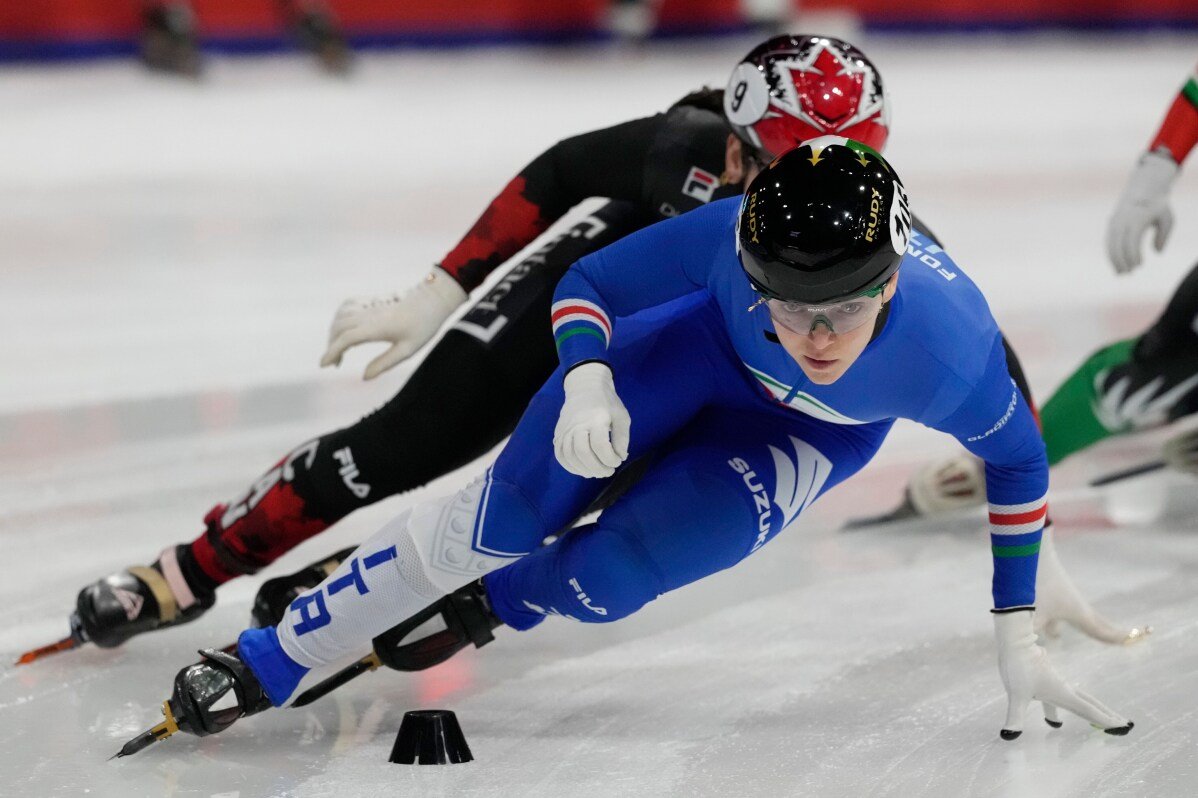
This is raced on a much smaller oval with multiple skaters competing at the same time.
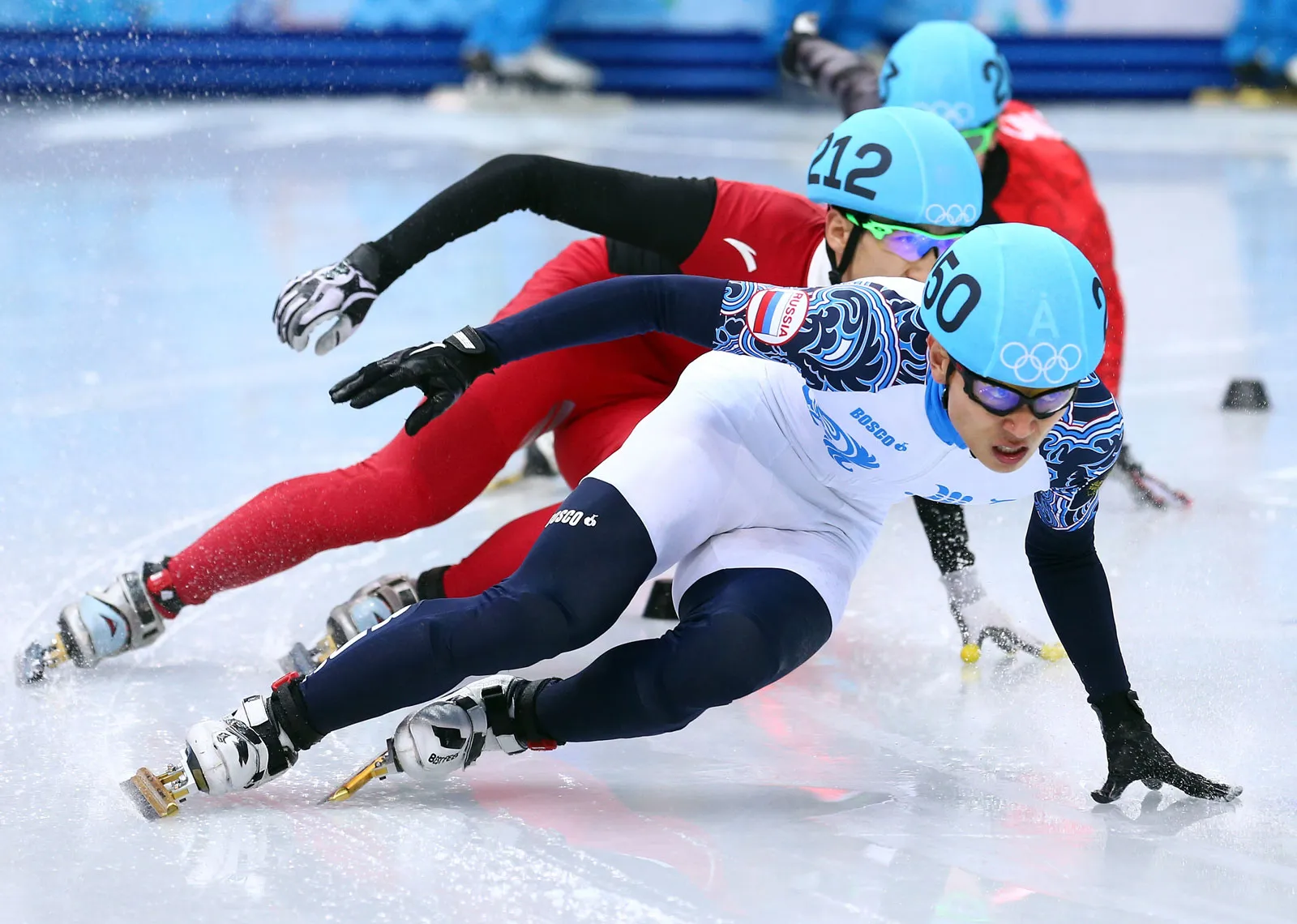
Short track is unpredictable. Crashes happen. Positions change constantly. Strategy matters as much as speed.
Speed learned that long track teaches discipline, while short track teaches survival.
Why Speed Skating Is Harder Than It Looks
Here is the mistake most people make when watching speed skating.
They focus on speed instead of glide.
The fastest skaters are not constantly pushing. They spend more time sliding on one blade than driving with both. That glide phase is where races are won.
Knees stay bent to lower air resistance.
Arms stay quiet to avoid imbalance.
Corners are entered early to maintain momentum.
Every movement has a cost. Speed skating is about paying the smallest price possible.
The Mental Game on the Oval
Speed skating is brutally honest.
There is no contact to blame.
No equipment to hide behind.
No teammate to cover mistakes.
The clock tells the truth every time.
Speed struggled with this at first. When mistakes happened, there was nowhere to look except inward. Over time, that honesty became the sport’s greatest teacher.
Olympic speed skaters thrive because they can stay mentally calm while physically exhausted. That combination is rare.
How to Watch Speed Skating Like a Pro
Next time you watch speed skating at the Winter Olympics, ignore the leaderboard for a moment.
Watch how long each skater stays on one blade.
Notice how early they set up for corners.
Pay attention to how quiet their upper body remains.
The smoothest skater usually wins, even if they do not look explosive.
Why Speed Skating Still Matters
Speed skating proves something important.
Power without control is wasted.
Effort without rhythm collapses.
Speed without patience burns out.
In a world obsessed with instant results, speed skating reminds us that mastery often looks calm from the outside and exhausting from within.
Speed stopped chasing speed the moment this clicked.
That is when the ice started working with him, not against him.
What Comes Next in the Journey
Now that you understand speed on ice, it is time to understand what happens when speed meets walls.
In the next post, Bob takes you inside bobsleigh and skeleton. Two sports where preparation is the difference between confidence and chaos.
Once you read it, every crash you see on screen will mean something different.