



Why the Quietest Sport on Ice Demands the Sharpest Minds
Stone liked the silence.
No crowds roaring mid-play.
No chaos.
No rush to act.
Just ice, intention, and consequence.
Curling is often misunderstood because it does not shout. It waits. And in the Olympic Winter Games, waiting can be harder than moving.
Stone learned early that curling rewards thinkers long before it rewards strength.
What Curling Actually Is
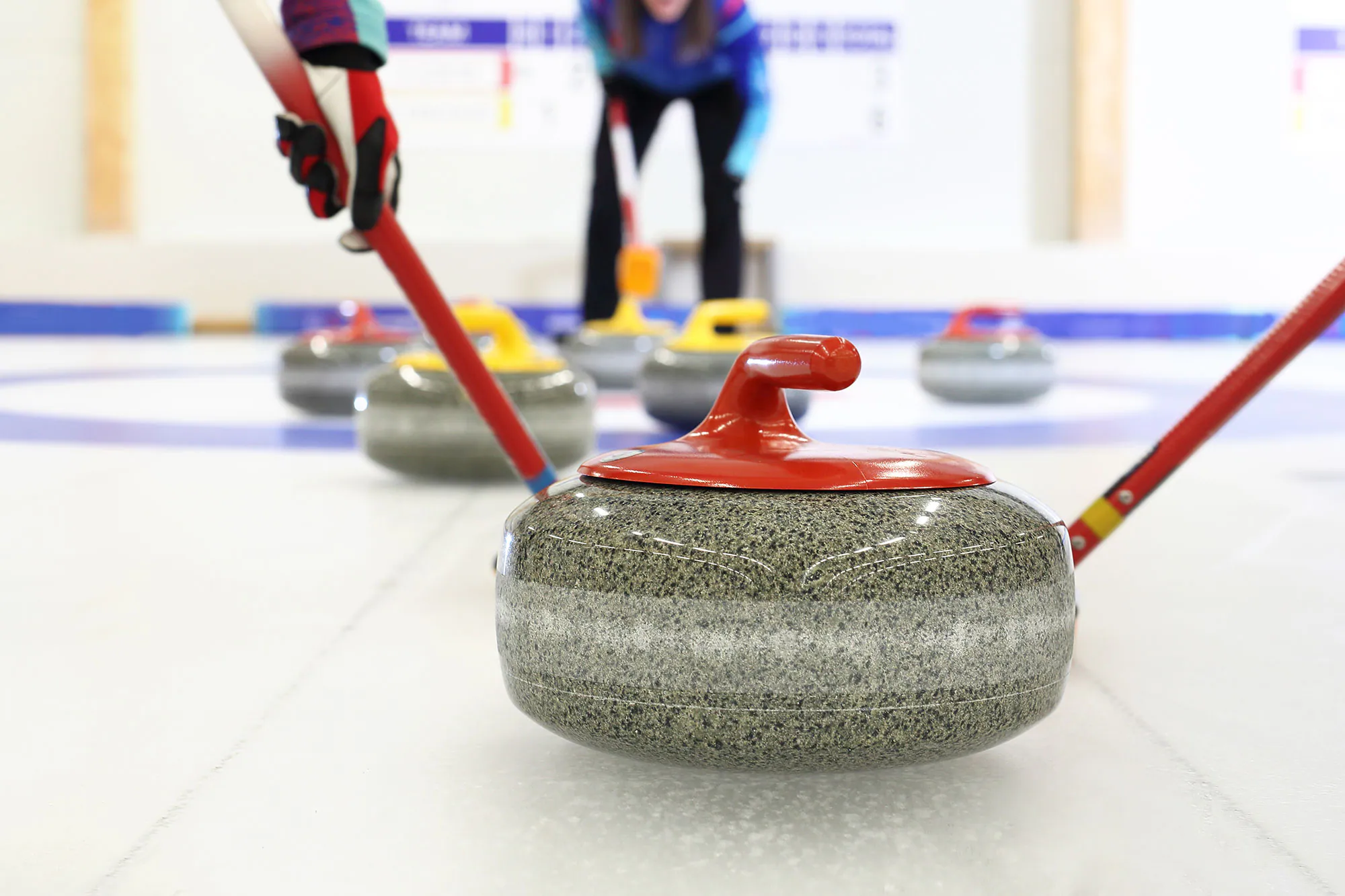
Curling is a team sport played on ice where players slide heavy granite stones toward a target area called the house. The goal is simple. Place your stones closer to the center than your opponent’s.
What complicates everything is choice.
Teams alternate throws. Each stone can block, guard, knock out, or reposition others. Every decision shapes the options that follow.
Curling is not about one perfect shot. It is about building an advantage over time.
Why Sweeping Matters So Much
Most beginners fixate on sweeping and miss the point.
Sweeping does not push the stone.
It changes the ice.
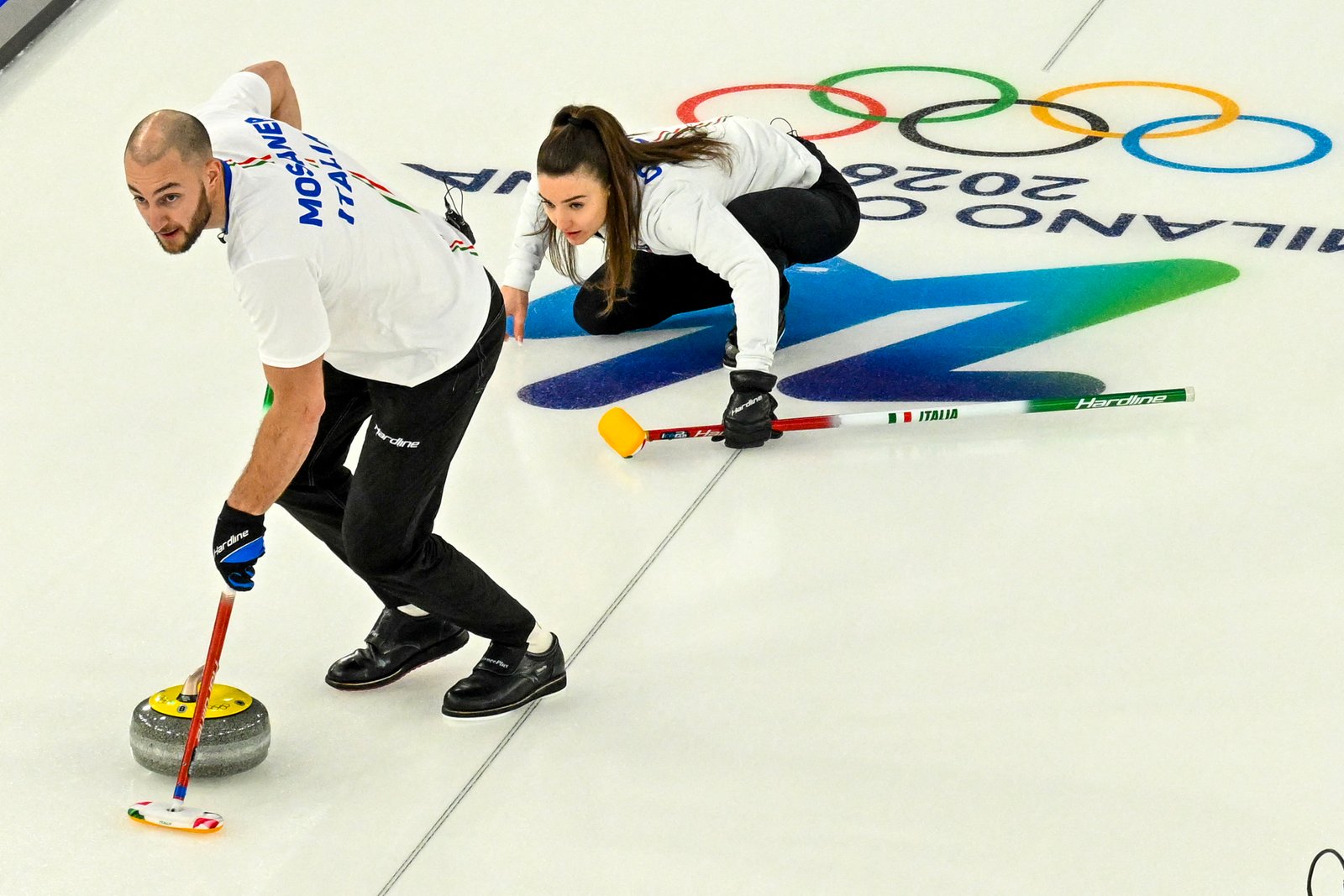
By sweeping, players slightly warm the surface, reducing friction. This allows the stone to travel farther and curl less.
That means sweeping controls distance and direction after the stone has already been released.
Stone loved this part. Once the stone is in motion, you cannot touch it. You can only influence the environment around it.
That lesson matters.
The Role of the Skip
Every curling team has a skip. This player stands in the house and directs strategy. They decide where stones should go and how each end should unfold.
The skip sees the whole board.
Stone realized this is where curling becomes chess on ice.
Sometimes the smartest move is defensive.
Sometimes it is aggressive.
Sometimes it is about limiting damage instead of chasing points.
Curling punishes impatience. Teams that force shots too early usually lose control by the final stones.
Why Curling Is Harder Than It Looks
Curling looks slow because decisions are made before the throw, not during it.
Once the stone leaves the hand, the work is already done.
The difficulty lies in:
Reading ice that changes constantly
Communicating clearly under pressure
Executing shots that require precise weight and line
Trusting teammates to sweep correctly in real time
Stone struggled most with restraint. The urge to do more is strong. Curling teaches you when not to interfere.
How to Watch Curling With Understanding
If you want to enjoy curling during the Winter Olympics, change how you watch.
Ignore the stones at first.
Listen to the communication.
Watch the positioning after each throw.
Notice how teams set up future shots two or three moves ahead. The drama is quiet but constant.
The tension lives in the choices, not the speed.
Why Curling Still Matters Today
In a loud world that celebrates urgency, curling celebrates patience.
You cannot rush strategy.
You cannot overpower planning.
You cannot ignore small advantages.
Curling proves that intelligence, trust, and timing can outperform raw force.
Stone stopped trying to dominate the ice. He started listening to it.
That is when the game opened up.
Where the Journey Goes Next
We have explored speed, gravity, force, and patience.
Now it is time to enter controlled chaos.
In the next post, Puck takes over and breaks down ice hockey. A sport where space disappears instantly, and decisions must be made at full speed.
Once you understand it, hockey stops looking like noise and starts looking like structure.