


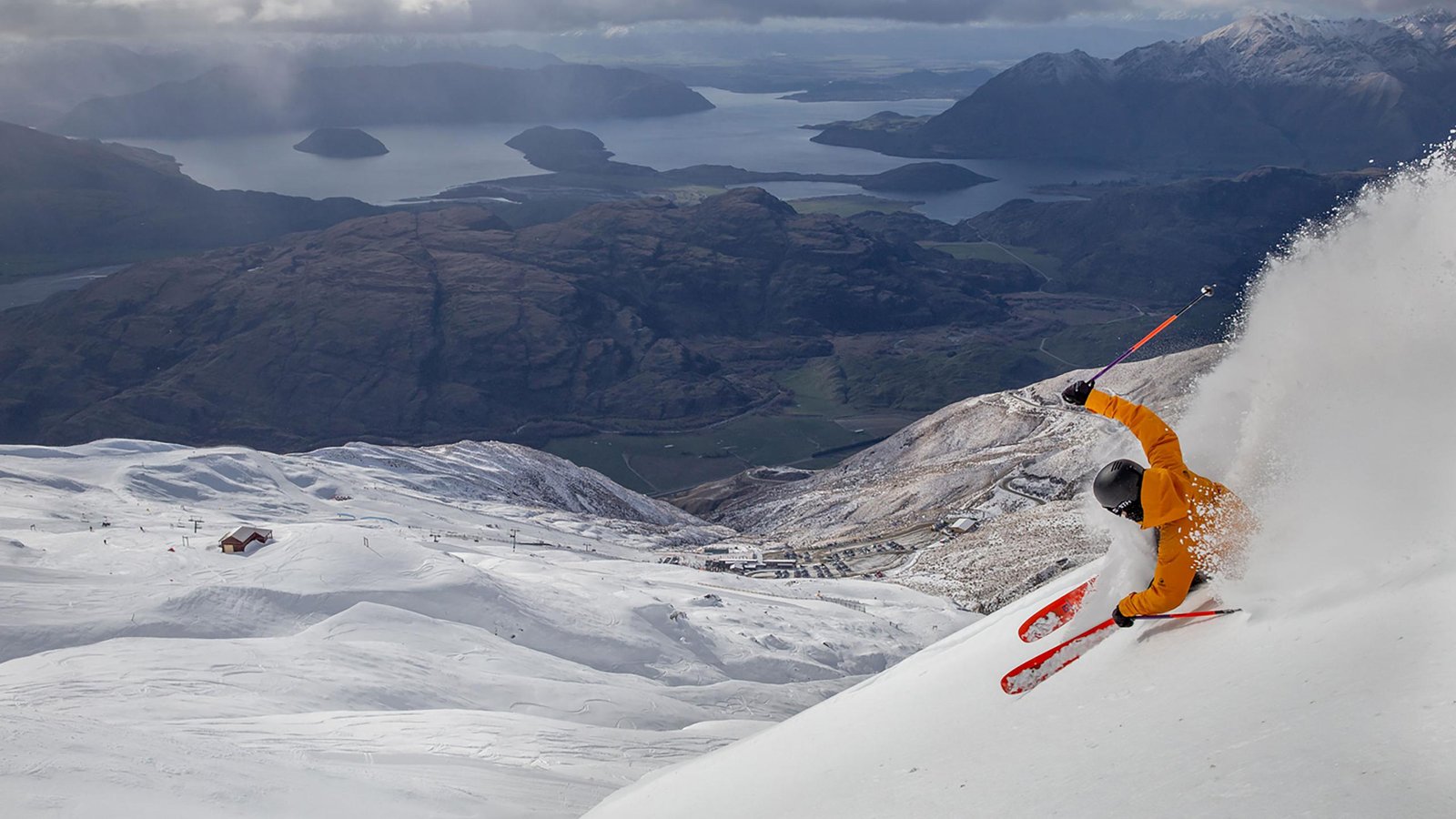
Have you ever had an experience of para alpine skiing? And does speed, snow, and pure courage excite you? Well, if yes, then you’re at the right place, the para alpine skiing is where all three collide.
This Winter Para Sport takes everything you love about alpine skiing and reimagines it for athletes with physical impairments, without losing an ounce of intensity.
Whether you’re a fan, a curious newcomer, or an aspiring adaptive athlete, these adventures are your gateway into the world where every run is a story of precision, resilience, and joy on the slopes.
About Para Alpine Skiing Adventures
Para alpine skiing adventures are all about racing down steep, icy mountains using adapted equipment and classifications that keep competition fair. Athletes carve through gates, chase personal bests, and test their limits in conditions that can change in seconds. To see how these stories connect to the wider Olympic world, explore how winter disciplines shine in the Olympic Winter Games.
Unlike casual resort skiing, these adventures are structured, timed, and fiercely competitive, yet they still leave space for fun, camaraderie, and that feeling of flying downhill with the world rushing past. If you want to feel that spirit, explore our para alpine skiing and its high-energy Winter Sports world.
A Brief History of Para Alpine Adventure
Modern para alpine skiing grew out of rehabilitation programs after World War II, when doctors and coaches realized that sport could rebuild confidence as well as strength. What started as a way to get injured veterans back on snow evolved into organized races on European slopes, much like how winter sports in general have grown over time, as we explore in Winter Sports in Today’s World.
By the 1976 Winter Paralympics, para alpine skiing had its official spot on the global stage, and each Games since has introduced new disciplines, better equipment, and more nations. Today, those early experiments have become full-blown adventures followed by fans worldwide and heading toward Milano Cortina 2026, adding a new chapter to the story of Italy hosting the Games again, as seen in Why Milano Cortina 2026 Feels Different.
Games and Events: Where the Action Happens
Para alpine skiing adventures take center stage at the Winter Paralympic Games and other international winter multi-sport parasports events. The upcoming Milano Cortina 2026 Paralympic Winter Games will be the 14th edition of the Winter Paralympic Games, with para alpine as one of the most-watched sports, sitting alongside many of the Olympic disciplines we break down in Why the Coldest Stage in Sport Hits the Hardest.
Outside the Paralympic Winter Games Milano Cortina 2026, World Cup circuits and World Championships keep athletes racing year-round, turning each season into a journey of rankings, upsets, and breakthrough performances. For a deeper look at how winter environments shape every event.
Rules That Shape the Adventure
The rules for para alpine skiing are closely aligned with standard International Ski Federation alpine rules, but adapted to protect athletes and ensure fairness. Missing a gate still means disqualification, and final standings are decided by the fastest times across one or two runs, similar to what Ski explains for able-bodied events in Ski Explains Alpine Skiing in the Winter Olympics.
Because athletes compete in different functional classifications, a time-factor system or grouped categories may be used so that performances are compared fairly. This means victory is earned through skill, tactics, and nerve, not through the type of impairment, echoing the pure performance focus we highlight in Speed Explains Why Speed Skating Is the Purest Winter Sport.
Equipment Behind the Speed
What makes para alpine skiing adventures visually striking is the specialized equipment tailored to each athlete’s body and style. Standing skiers might use outriggers (short ski-tipped poles) to help with balance and turning, much like how clever equipment choices separate the best in other high-risk events.
Sitting skiers race in sleek monoskis or sit-skis, where the skier sits in a molded seat attached to a single ski with a powerful suspension, while visually impaired skiers rely on headsets and microphones to receive real-time directions from their guides. Standard features—longer skis for stability, stiff boots, and racing suits- combine with adaptive technology to turn mountains into high-speed playgrounds.
Classification: How Fair Competition Works
To keep adventures on the slopes fair, para alpine skiing uses a classification system that groups athletes by how their impairment affects skiing performance. This mirrors how different winter sports categorize athletes to keep competition meaningful.
- Standing: Athletes with leg or arm impairments who ski upright with one or two skis and often outriggers.
- Sitting: Athletes with limited or no use of their legs and/or trunk using sit-skis or monoskis.
- Visually Impaired: Athletes with varying levels of visual impairment who race with a sighted guide.
These groups are further divided into classes, and results may be adjusted with time factors, so the athlete who skis the best race of the day is the one who wins, just as we see in other precision sports like those Stone analyzes in Stone Explains Why Curling Is the Smartest Game on Ice.
Countries Joining the Adventure
Para alpine skiing has grown into a truly global adventure, with dozens of countries fielding teams. Traditional alpine powers like the USA, Canada, Austria, Switzerland, France, and Germany are major players, many of the same nations that feature heavily in the Olympic events explored.
Newer winter nations and developing para programs are also joining the slopes, bringing fresh stories and talent into the mix and expanding the sport’s reach well beyond classic mountain regions. For a look at how different winter sports reflect each country’s identity.
Number of Athletes Taking Part
At a major event like the Winter Paralympics in Milano Cortina, para alpine skiing typically attracts over a hundred athletes across all classes and events. When you include World Cups, regional championships, and national races, the number of competitors involved in para alpine skiing adventures around the world climbs dramatically, similar to how participation scales across the sports covered in The Olympic Winter Games.
Each athlete brings their own journey, some aiming for medals, others chasing personal milestones like completing a first downhill run or returning after injury. That same mix of elite pursuit and personal challenge also shows up in the dangerous events Bob highlights in Bob Explains the Most Dangerous Winter Sports at the Olympics.
Previous Record Holders and Icons
Over the years, para alpine skiing has been defined by extraordinary champions who turned their races into legendary adventures. Multi-time gold medalists, fearless downhill specialists, and technically perfect slalom masters have raised the bar at each Paralympic cycle, becoming icons just like the stars of other Olympic ice and snow events described in Puck Explains Ice Hockey at the Winter Olympics.
These previous record holders not only stack up medals but also influence equipment design, training methods, and how future athletes imagine what’s possible on snow. If you enjoy learning how legends reshape their sports.
World Record Moments on the Slopes
World record feats in para alpine skiing often revolve around speed and dominance across multiple events. Sitting skiers hitting extreme velocities on downhill courses or visually impaired athletes and their guides carving perfectly synchronized lines become highlight reels for the sport, similar to the jaw-dropping performances we discuss in .
Every Paralympic Winter Games brings new chances to rewrite record books—Milano Cortina 2026 Winter Paralympics will be no different, with athletes targeting faster times and cleaner, more aggressive runs. For context on how host cities and eras influence record-breaking moments.
Which Country Leads the Way?
Historically, nations with strong winter-sport cultures and robust Paralympic programs often lead the para alpine skiing medal tables. Countries like the USA, France, Austria, Germany, and Canada regularly appear at the top, mirroring their dominance in several Olympic events covered throughout our Winter Sports World.
Board Explains the Art and Risk of Olympic Freestyle Sports
But leadership in this Winter Para Sport is constantly challenged, as emerging programs invest in coaching, technology, and athlete development, setting the stage for surprises at each major Games.
Why Para Alpine Skiing Adventures Feel Different
What makes para alpine skiing adventures stand out isn’t just speed; it’s the mindset. Every run is a combination of technical mastery and adaptation, turning challenges into strengths, much like the transformation we explore across all disciplines in our Winter Sports Blog.
For fans, this creates a unique mix of inspiration and pure sporting drama, especially with the spotlight building toward the Winter Paralympics in Milano Cortina.
Join the Aniletes on the Mountain
Ready to bring that energy into your world? Ski, the captain of the Winter Sports team, embodies the heart of alpine skiing adventures, fast, positive, and always pushing for the next challenge.
Discover The Aniletes and meet the full Winter Sports World crew, then gear up with Ski-inspired merch in our Ski Collection. If you’d like to connect, collaborate, or learn more about our universe of winter sports stories, get in touch with us from Jacksonville, FL, and be part of the journey.