

How Winter Skiing Games Can Boost Early Childhood Motor Skills: A Look Inside The Aniletes
Digital play isn’t just entertainment; it can be a powerful tool for early childhood development. When a winter skiing game is designed with learning in mind, it starts to look less like a screen activity and more like a movement classroom on the mountain.
In The Aniletes’ winter skiing and skate‑style game, kids don’t just watch characters move; they guide them through turns, jumps, and timed runs that subtly train hand‑eye coordination, balance, spatial awareness, and fine motor control. For parents and educators, understanding how interactive winter games support gross motor skills and early coordination is the first step toward making “play time” genuinely developmental.
You can learn more about the broader Aniletes approach to character‑driven learning in The Aniletes Story, where physical and mental development are woven into every character’s journey.
Why Winter Skiing Relates to Motor Skills
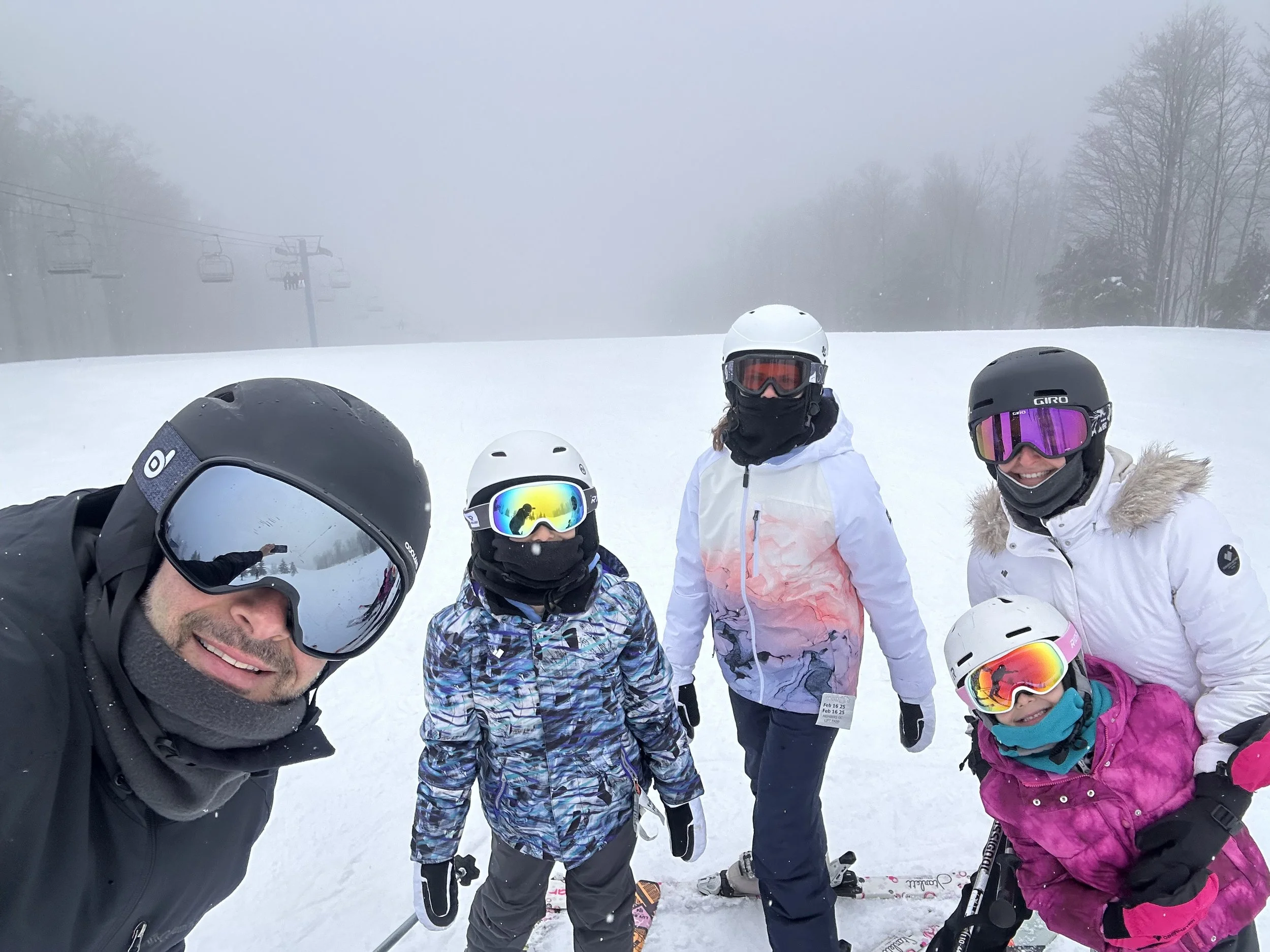
Real‑world skiing, sledding, and skating are naturally strong for gross motor development: balance, core strength, and full‑body coordination. Digital skiing games extend that benefit by translating physical concepts into controlled, repetitive actions.
When a child:
- Presses, taps, or swipes to change direction,
- Times a jump over a feature, or
- Steers their character through a tight course,
They are practicing:
- Hand‑eye coordination between their screen input and what they see.
- Timing and rhythm of movement.
- Core and limb control, even if they’re sitting down.
These concepts connect closely with the way real‑world winter sports help build body awareness, as explored in Winter Sports Explained: Why Ice and Snow Change Everything.
How The Aniletes Game Trains Early Motor Skills
The Aniletes’ winter skiing game is built around smooth, intuitive controls that scale with skill level. Instead of demanding complex button mash‑ups, the game focuses on clear, simple inputs that require precision and timing, the perfect setup for young motor‑skill learners.
You can explore the character‑driven design of the game through Ski – The Aniletes, where Ski’s calm, controlled style naturally invites kids to practice steady, well‑timed inputs.
Key Motor‑Skill Benefits
- Hand‑eye coordination – Kids use taps or simple controls to match what they see on the screen with their physical actions, strengthening visual‑motor pathways.
- Timing and reaction – Waiting for the right moment to turn, jump, or brake trains neural timing and responsive movement.
- Bilateral coordination – Alternating or combining inputs (left vs. right, press vs. release) encourages both sides of the body and brain to work together.
- Fine motor control – Smaller, more deliberate moves refine the small muscles in the hands and fingers.
These patterns mirror the kinds of repetitive, guided practice used in early‑childhood motor‑skill games, except wrapped in a fun, mountain‑adventure story.
Table 1: Motor Skills Developed in The Aniletes Winter Skiing Game
| Motor Skill | How It Shows Up in the Game | Real‑World Benefit for Children |
| Hand‑eye coordination | Matching on‑screen turns and jumps with taps or swipes | Better handwriting, cutting, catching, and sports coordination |
| Timing/reaction | Hitting jumps or gates at the right moment | Improved reaction time in sports and play |
| Bilateral coordination | Combining left‑right or press‑release actions | Stronger whole‑body coordination and balance |
| Fine motor control | Small, precise control adjustments | Better pencil grip, buttoning, and other fine‑motor tasks |
| Visual‑spatial awareness | Reading the slope and planning lines | Enhanced navigation and body‑awareness during play |
The Aniletes Characters and Motor‑Skill Play
In The Aniletes’ skiing game, each character brings a slightly different style of movement, which naturally encourages kids to experiment with control and coordination.
For example:
- Ski focuses on smooth, controlled turns, helping kids practice steady, balanced inputs.
- The board encourages playful, creative lines, which prompt more varied movement patterns and trial‑and‑error.
- Speed and Puck add faster, more reactive play, challenging kids to refine their timing and control under pressure.
By exploring different characters, children practice a range of motor strategies, sometimes smooth and steady, sometimes quick and responsive, which mirrors the way physical therapists use varied motor‑skill games to build overall coordination.
You can meet the full cast of characters in The Aniletes Story and also explore character‑specific pages like Board – The Aniletes and Puck – The Aniletes, where play‑style and movement connect directly to character philosophy.
Brain Training Meets Body Training
Motor‑skill development is closely tied to cognition, especially in early childhood. When kids play The Aniletes’ skiing game, they’re not only strengthening their hands and eyes; they’re also building working memory, attention, and decision‑making.
Each run becomes a mini‑training session where children:
- Remember the layout of a course,
- Adjust their strategy after a fall, and
- Choose different lines on the next attempt.
This combination of physical and mental input is why many experts see winter‑style games and snow‑related activities as valuable tools for holistic child development, a theme that also appears in The Aniletes Story.
Table 2: How The Aniletes Game Supports Early Development
| Area of Development | How the Game Contributes | Real‑World Impact |
| Motor skills | Hand‑eye coordination, timing, and bilateral control | Better coordination for sports, play, and daily tasks |
| Cognitive skills | Planning, working memory, and problem‑solving | Sharper thinking and quicker decision‑making |
| Emotional skills | Handling mistakes and trying again | Increased resilience and confidence |
| Social skills | Playing with others or taking turns with characters | Improved cooperation and teamwork |
Why This Matters for Parents and Educators
For parents, educators, and therapists searching for winter activities that support child development, a digital skiing game like The Aniletes offers a low‑pressure, accessible way to practice motor skills anytime. It’s especially useful:
- For kids who can’t access real snow or ice.
- For children who need repeated, low‑stress practice.
- For families looking to combine screen time with meaningful movement practice.
The game’s character‑driven design keeps kids engaged far longer than a drill‑style app would, which means more reps and more motor‑skill reinforcement over time. The way these digital experiences connect to real‑world skills is also explored in posts like Winter Sports Explained: Why Ice and Snow Change Everything.
Turn Play Into Motor‑Skill Practice
Winter skiing games can be more than fast‑paced fun; they can be digital playgrounds for early motor development. The Aniletes’ skiing‑style game turns every turn, jump, and glide into an opportunity for children to build hand‑eye coordination, balance, and overall body control in a joyful, character‑driven environment.
Whether you’re using it as a small part of a larger motor‑skills routine or as a cozy indoor activity on snowy days, The Aniletes skiing game helps kids move, think, and grow stronger, one playful run at a time. Explore The Aniletes winter skiing and skating game and discover how a simple digital mountain adventure can support your child’s motor‑skill journey. Visit The Aniletes Ski Game page to start.